

How to handle fragile cargo in road transport
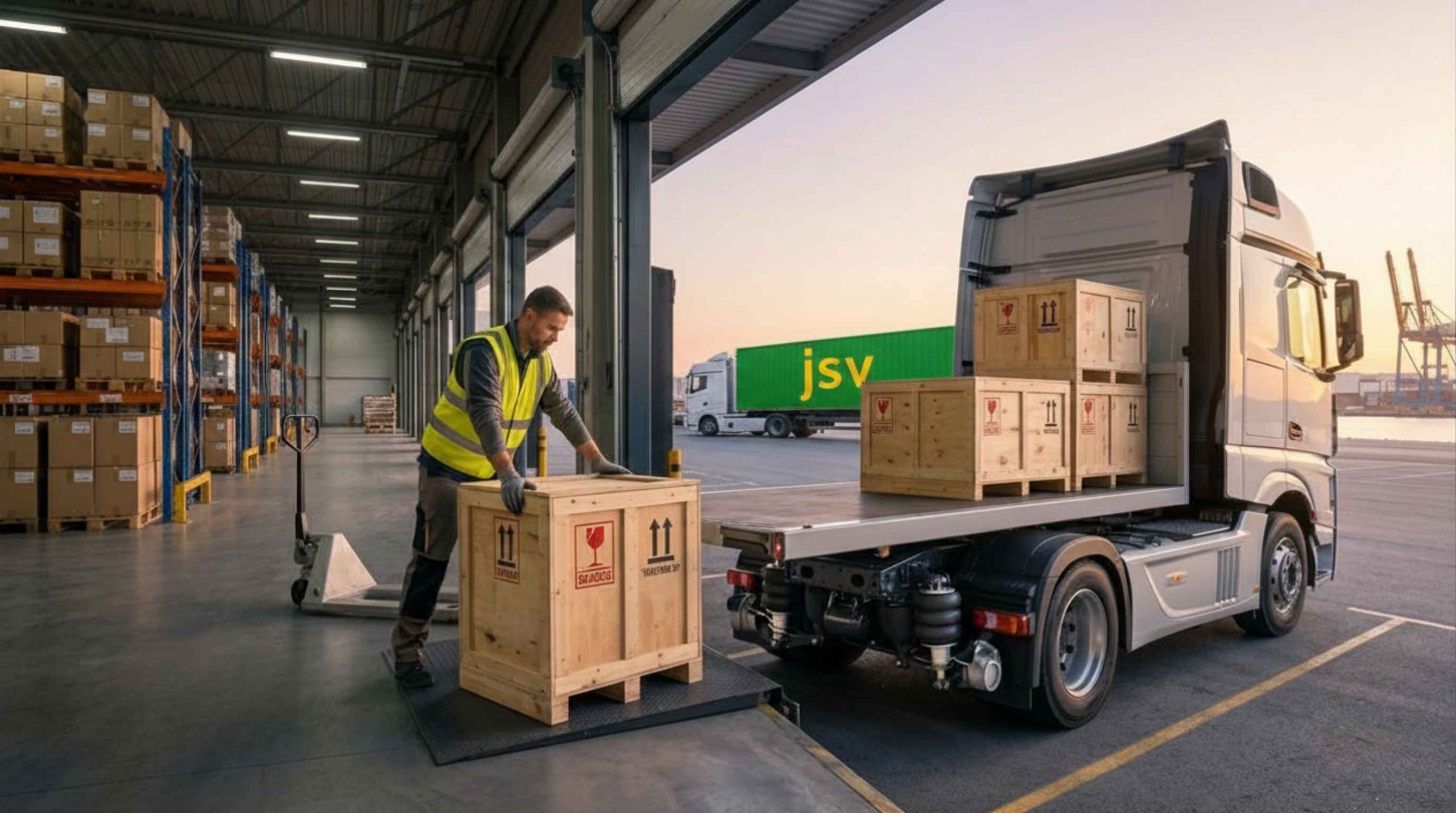
A breakage during transport is not just a logistics issue: it is a direct financial loss, an unsatisfied customer, and, in many cases, a claims process that consumes time and resources.
Transporting fragile cargo by road is one of the most demanding segments in the logistics sector, precisely because the margin for error is minimal and the consequences of poor handling are immediate and visible.
Managing fragile cargo in road transport requires much more than placing a “Fragile” label on the box. It involves a chain of technical decisions that begins with packaging, continues with the selection of the vehicle and securing systems, and ends with unloading protocols at the destination.
At JSV Logistic, we have specific experience in handling special and fragile cargo, and in this guide we share the key practices we apply in every operation to ensure that goods arrive in perfect condition.
Whether you manage shipments of electronics, ceramics, delicate machinery, or medical equipment, this guide provides the technical and operational framework to minimize the risk of damage in every shipment.
What is fragile cargo?
Fragile cargo refers to any product that, due to its nature, composition, or structure, is prone to breakage, deterioration, or loss of functional value when exposed to impacts, vibrations, pressure, or sudden changes in transport conditions.
Fragility does not depend solely on the material: a product can be fragile due to its shape, its internal components, or its sensitivity to environmental factors such as temperature or humidity.
| Type of fragile cargo | Examples | Main risk | Priority protection |
|---|---|---|---|
| Glass and glassware | Bottles, mirrors, tableware, windows | Breakage due to impact or vibration | Rigid packaging + internal cushioning |
| Ceramics and porcelain | Sanitary ware, decorative pieces, tiles | Fracture due to pressure or impact | Internal separators + protective film |
| Consumer electronics | Televisions, computers, tablets | Damage from impact and electrostatic discharge | Anti-static packaging + reinforced box |
| Precision machinery | Industrial equipment, measuring instruments | Component misalignment due to vibration | Air suspension + specific securing |
| Medical equipment | Surgical devices, reagents, monitors | Functional damage + temperature requirements | Climate control + customized packaging |
| Art and collectibles | Paintings, sculptures, historical documents | Irreversible damage from any incident | Custom crates + dedicated transport |
Accurately identifying the type of fragile cargo to be transported is the first step in designing an appropriate logistics solution. There is no single protocol: each product category requires different materials, techniques, and vehicles.
The first mistake in transporting fragile cargo is treating all delicate products the same way. Customizing the handling protocol makes the difference between successful delivery and having to replace the goods.
Steps to properly manage fragile cargo
Professional management of fragile cargo in road transport follows a structured process in five phases. Each phase involves its own technical decisions, as well as specific materials and equipment.
Step 1 — Initial assessment and cargo inspection
Before moving any box, it is essential to document the condition of the goods with photographs and an inspection report. This documentation protects both the logistics operator and the client in case of future claims. At this stage, the level of fragility, the value of the goods, and any special handling requirements are determined, allowing the selection of the appropriate protocol and materials.
Step 2 — Professional packaging with the right materials
Packaging is the first line of defense against any incident during transport. The most commonly used materials for fragile cargo in road transport are:
- Reinforced corrugated cardboard boxes, to prevent crushing and absorb lateral impacts.
- Polyurethane foam and expanded polyethylene, to cushion vibrations and shocks.
- Bubble wrap, to wrap individual items and add an extra cushioning layer.
- Internal separators and dividers, to prevent contact between items within the same box.
- Custom wooden crates, for high-value goods, machinery, or large-format items.
- Anti-static packaging, mandatory for electronics sensitive to electrostatic discharge.
Any empty space inside the box is a potential risk: internal movement during transport is one of the most common causes of damage in fragile cargo. Packaging must completely eliminate these spaces and reinforce corners and edges, which are the most vulnerable points of any box.
Step 3 — Labeling, loading, and securing in the vehicle
Visible labeling with “Fragile” indications, correct orientation, and identification codes is mandatory and must be legible on all sides of the package. Once in the vehicle, fragile cargo must be placed so that heavier items remain at the base, with even weight distribution and cushioning material between layers. Recommended securing systems include tension straps, dunnage airbags, and specific supports to prevent any movement during transit.
The choice of vehicle is equally critical: trucks with air suspension minimize vibrations transmitted to the cargo, and for goods requiring controlled environmental conditions, temperature and humidity control systems are essential.
Step 4 — Control and monitoring during transport
During the journey, the driver must fully understand the nature of the cargo: recommended maximum speed, routes to avoid due to poor road conditions or sharp curves, and protocols to follow in case of any incident. The use of real-time monitoring technology, with devices that record vibrations, impacts, or temperature changes, allows any anomaly to be detected during transit and addressed before the damage becomes irreversible.
Step 5 — Unloading and delivery protocol
Unloading is statistically one of the highest-risk moments for fragile cargo. Any sudden movement must be avoided, appropriate lifting equipment should be used, and the condition of each package must be verified before the client signs the delivery note. If any damage is detected, it must be documented at the time of delivery to initiate the claims process with full guarantees.
Common mistakes when transporting fragile cargo
Knowing the most frequent mistakes is just as important as knowing what to do correctly. These are the errors that most often cause damage to fragile cargo during road transport:
Insufficient or generic packaging. Using the same type of box and material for all types of fragile cargo is one of the most common mistakes. A television is not packaged the same way as a glass cup, even though both are fragile items. Packaging must be specific to each product type.
Unfilled empty spaces. Leaving gaps inside the box allows the goods to move during transport. Any internal movement, no matter how small, can generate enough impact to cause breakage or functional damage.
Improper securing in the vehicle. Loading the vehicle without proper securing systems, or with poorly tightened straps, allows packages to shift during transit. In fragile cargo, contact between packages during transport is a common cause of damage.
Inadequate route selection. Roads in poor condition, excessive curves, or construction zones increase vibrations and sudden movements affecting the cargo. Route planning must take into account the nature of the goods, not just distance or travel time.
Lack of communication with the driver. The driver is ultimately responsible for the cargo during transport. If they are not aware of the fragile nature of the goods, their value, or specific handling protocols, no packaging or securing system can compensate for improper driving.
Failure to document the initial condition of the goods. Without photographs or an inspection report prior to transport, any subsequent claim becomes extremely difficult to manage for all parties involved.
In fragile cargo logistics, the most costly mistake is not the one that breaks the goods: it is the one that is not documented and leaves the affected party without coverage.
Use cases: how it applies in practice
The protocols described in this guide are applied differently depending on the type of company and the nature of its goods. These scenarios illustrate how professional management of fragile cargo transforms logistics operations in specific sectors.
Ceramic and tile manufacturer. A company that manufactures ceramic flooring and wall coverings and distributes to construction sites across the Iberian Peninsula faces a double challenge: the intrinsic fragility of the product and the volume of each shipment. With a pallet-based packaging protocol using internal separators, controlled-tension shrink wrap, and vehicles with air suspension, it is possible to drastically reduce breakage in transit and the costs associated with replacements and claims. The savings are not only financial: delays in construction timelines caused by waiting for replacements are also eliminated.
Electronics importer. A company importing consumer electronics through the Port of Alicante and distributing to retailers across Spain needs to combine inbound maritime transport with final road distribution. Integrating both stages under a single logistics operator, with verified anti-static packaging at the port and monitoring systems during road transport, ensures the integrity of each unit from the container to the point of sale, without unnecessary handling between stages.
Medical equipment company. A distributor of medical devices supplying hospitals and clinics across different regions must combine fragile cargo handling with temperature control and strict traceability requirements specific to the healthcare sector. A specialized logistics operator can provide temperature-controlled transport integrated with the documentation and scheduled delivery protocols required by this type of client.
Frequently asked questions about transporting fragile cargo
What materials are essential for transporting fragile cargo by road?
The basic materials include reinforced corrugated cardboard boxes, polyurethane foam or expanded polyethylene for cushioning, bubble wrap, internal separators, and securing straps in the vehicle. For electronic goods, anti-static packaging is mandatory. For high-value or large-format items, custom wooden crates are the safest option.
What type of vehicle is most suitable for fragile cargo?
Trucks with air suspension are the most recommended for fragile cargo, as they minimize vibrations transmitted to the goods during transport. For products requiring specific environmental conditions, such as electronics or medical equipment, vehicles equipped with temperature and humidity control systems are necessary.
How is the risk of fragile cargo assessed before transport?
The initial assessment includes visual inspection of the product, photographic documentation of its condition, identification of the type of fragility (impact, vibration, temperature, electrostatic), and estimation of its value. Based on this information, the packaging protocol is designed, the appropriate vehicle is selected, and the safest route is planned.
What happens if the goods are damaged during transport?
If the condition of the goods has been documented before transport with photographs and an inspection report, the claims process is faster and provides greater guarantees for all parties involved. It is essential that any damage detected during unloading is recorded on the delivery note before it is signed by the recipient.
How can I request a quote for fragile cargo transport with JSV Logistic?
You can contact our team through the JSV Logistic contact form. Tell us the type of goods, approximate volume, origin, and destination, and we will prepare a tailored proposal.
To consult current regulations on the technical conditions of road freight transport vehicles in Spain, the Ministry of Transport and Sustainable Mobility publishes updated regulations applicable to operators and companies in the sector.
Related news
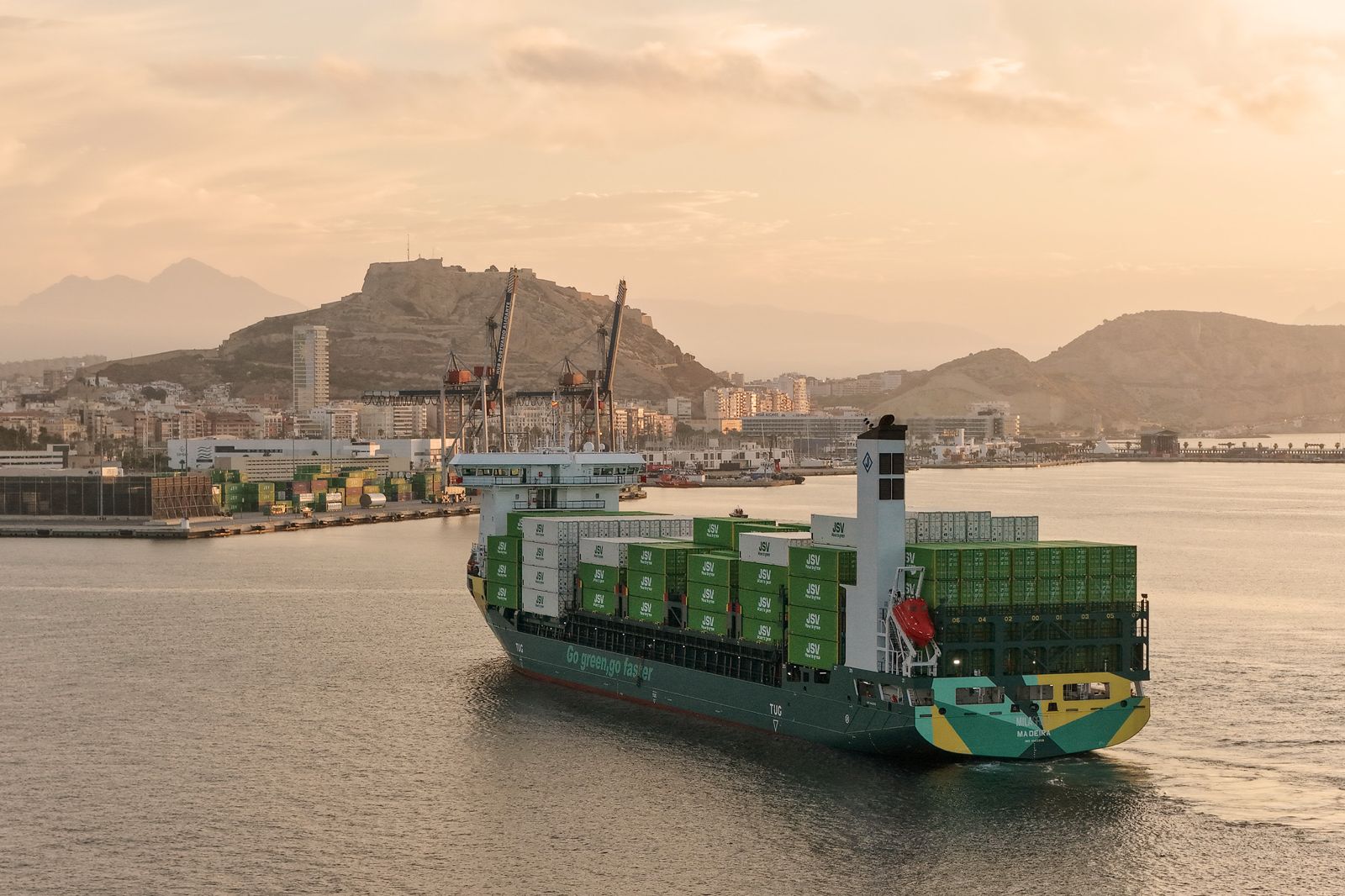
El MilaGreen ya está aquí: incorporamos nuestro primer buque Next Generation
Nuevo hito en la historia de Grupo JSV con la llegada del MilaGreen,

JSV incorpora Green Canarias y refuerza su flota con un tercer buque propio
Incorporación del buque Green Canarias a la flota de Grupo JSV